


Diamond
Crystallised carbon, the hardest natural material. Heera in Hindi, and graded on the four Cs.
The four Cs are carat weight, colour, clarity and cut. Cut is the one that most affects how a stone actually looks, and the one buyers pay least attention to.
Colour is graded D to Z, from colourless downward. Clarity runs from flawless to included.
Lab-grown diamonds are chemically and optically identical to mined ones, and cost far less. They must be disclosed, and a report will state which it is.
When you are buying
In Indian jewellery, check whether stones are diamond, polki, moissanite or American diamond before comparing any two prices. All four are set the same way and photograph almost identically.
Pearls with diamonds
A few from the collection, from ₹1,800.
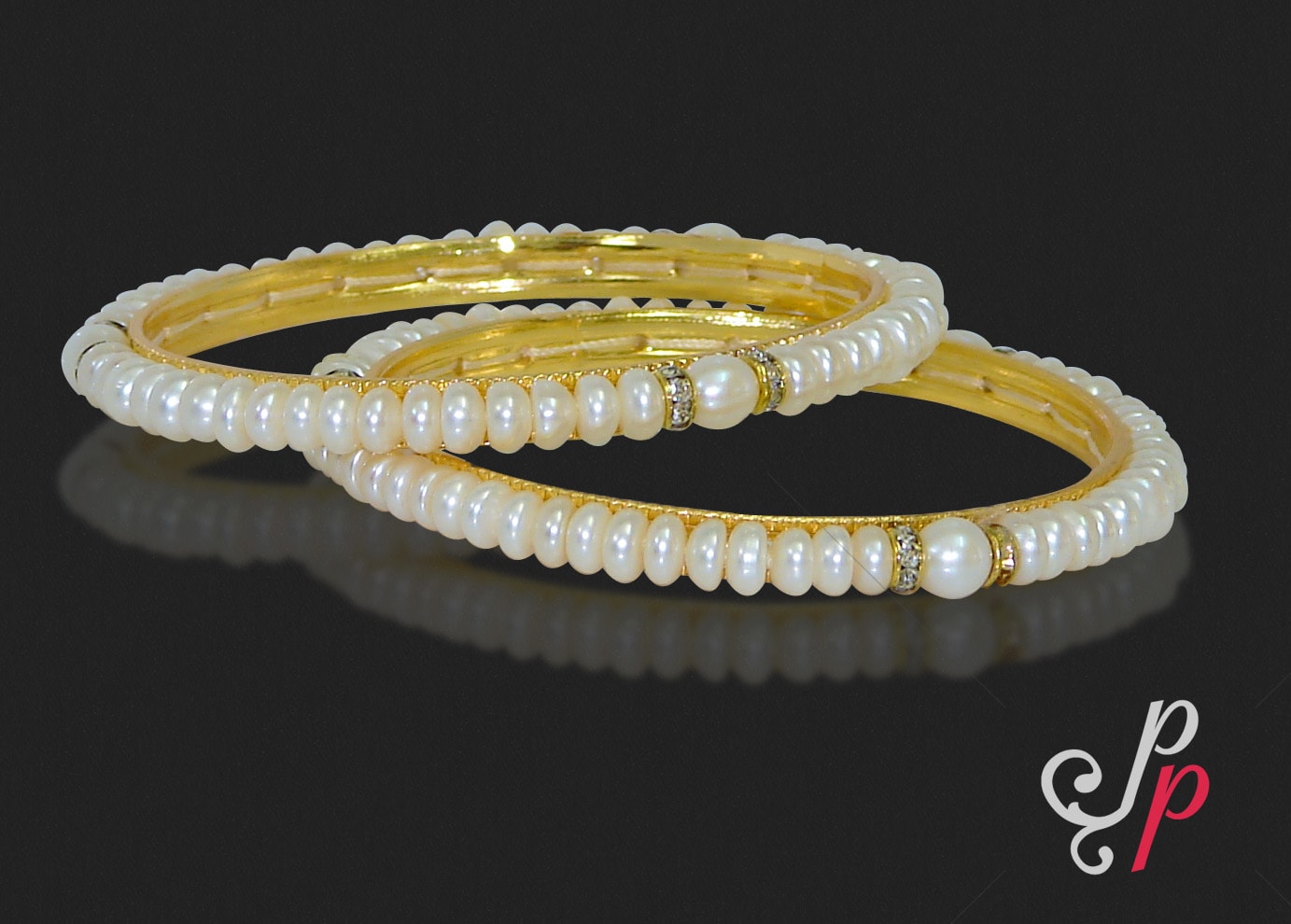
Pretty pearl bangle set with gold colour american diamond spacers
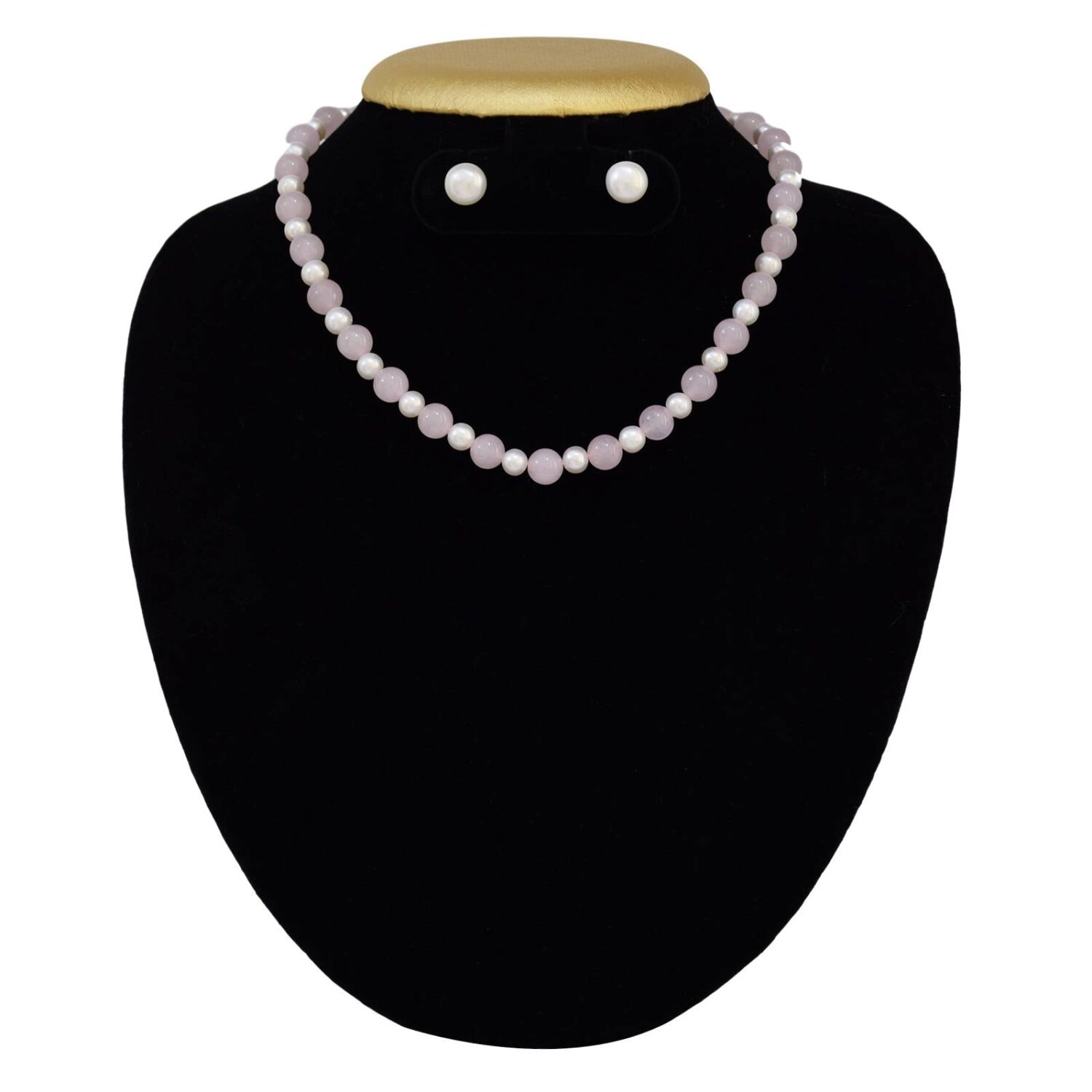
Trendy Pearl Necklace in Pearls and Rose Quartz
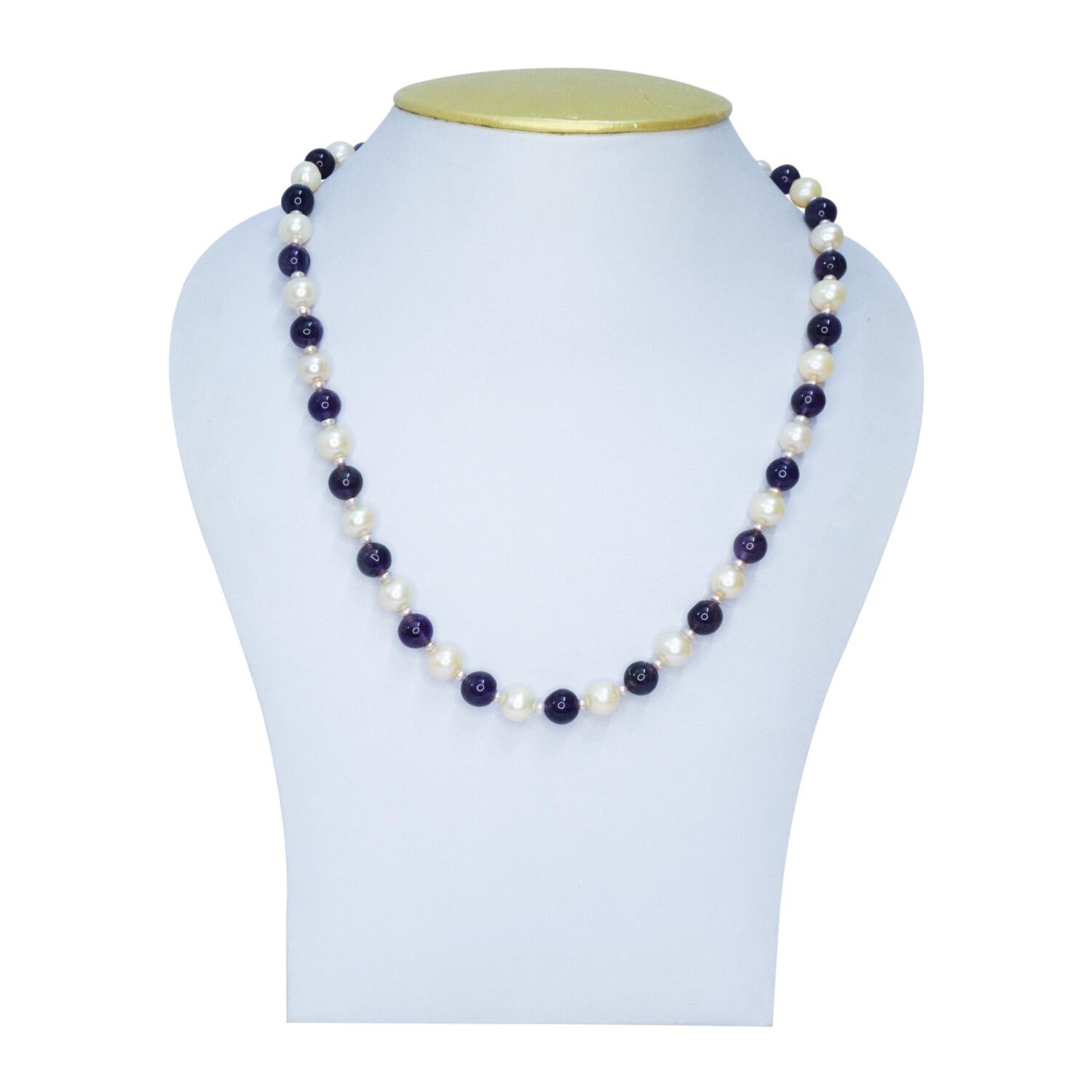
Dainty Peach Pearls With Purple Garnet Beads Necklace
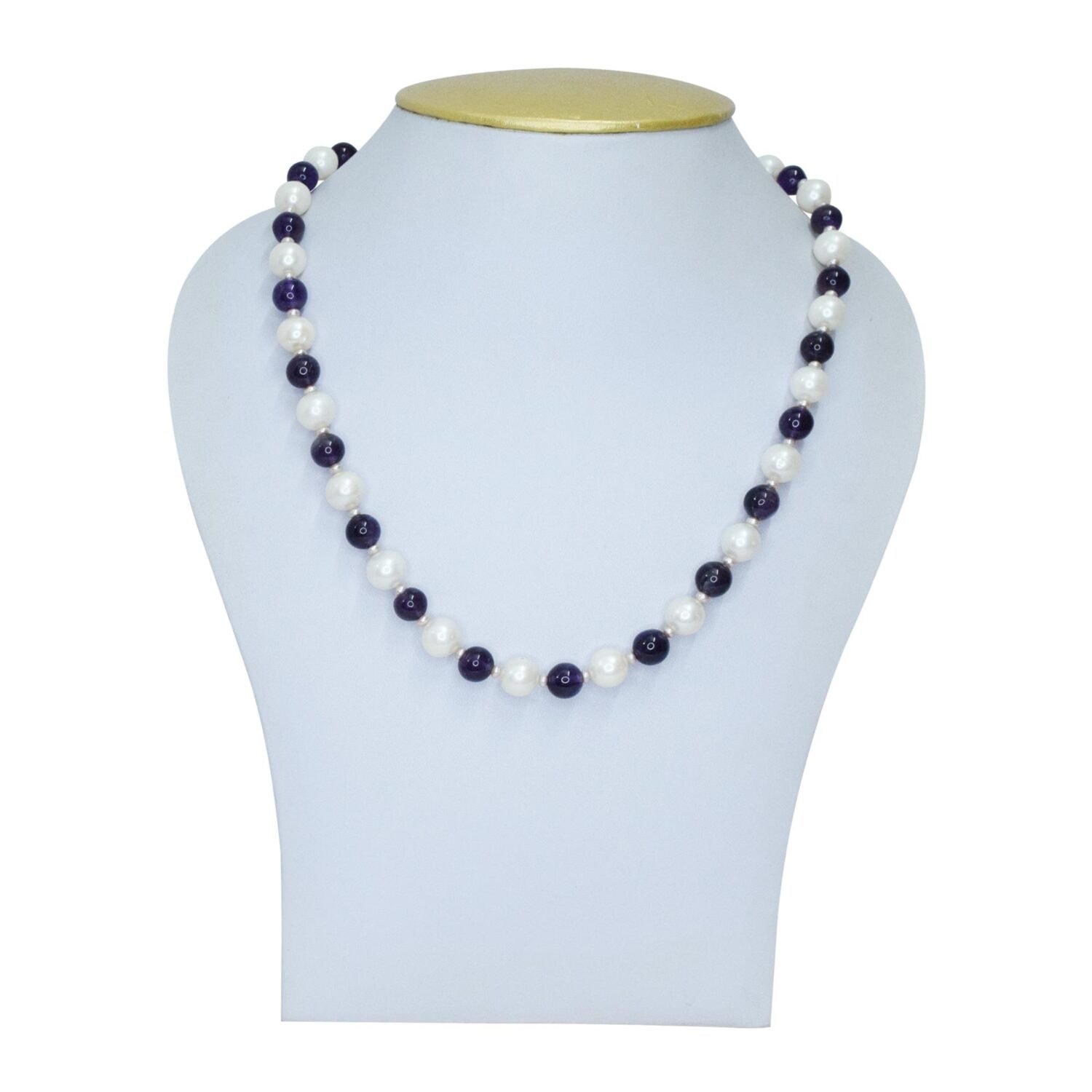
Radiant 19 Inches White Pearls Necklace With SP Purple Garnet Beads
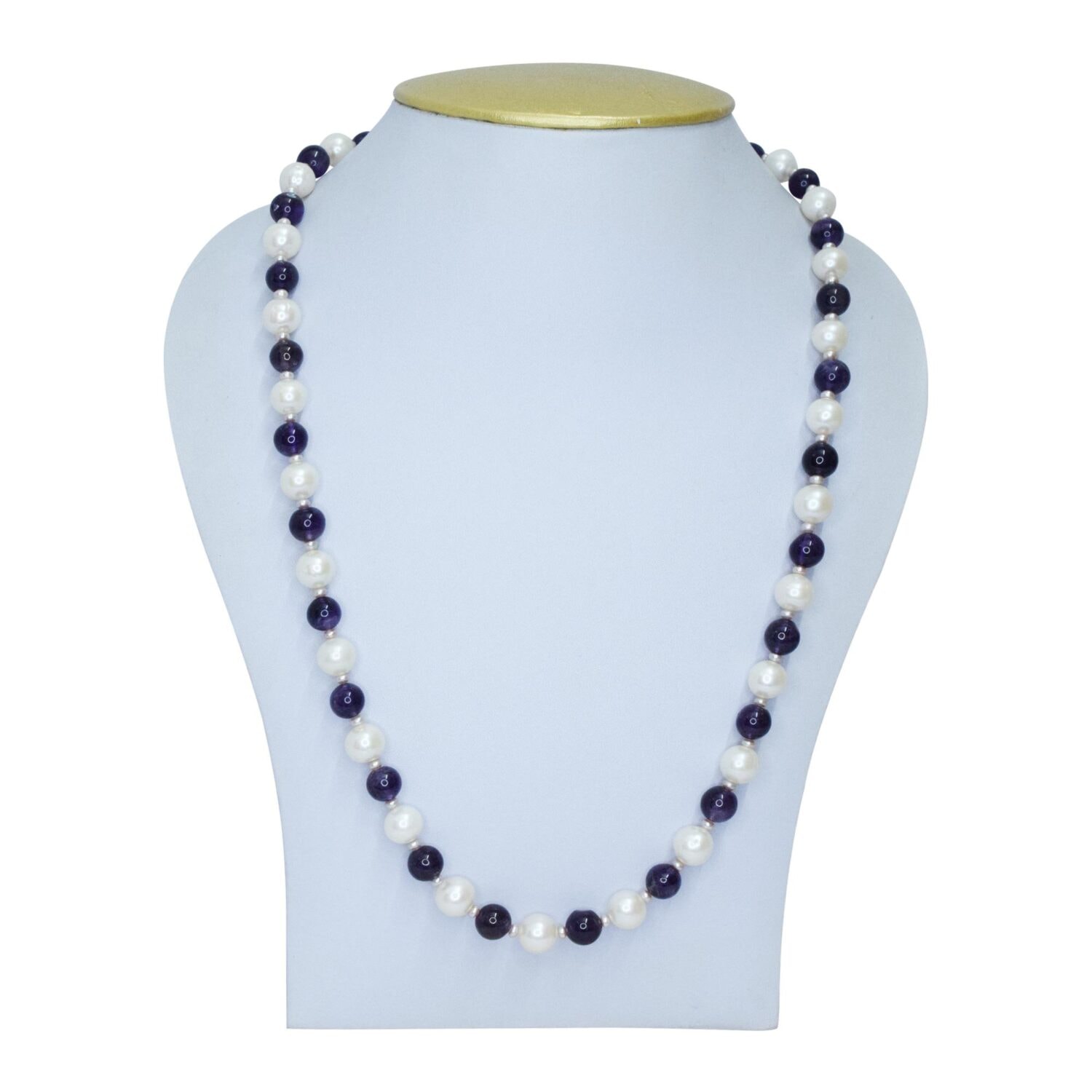
Luxurious 23 Inches White Pearls With Purple Garnet Beads Necklace
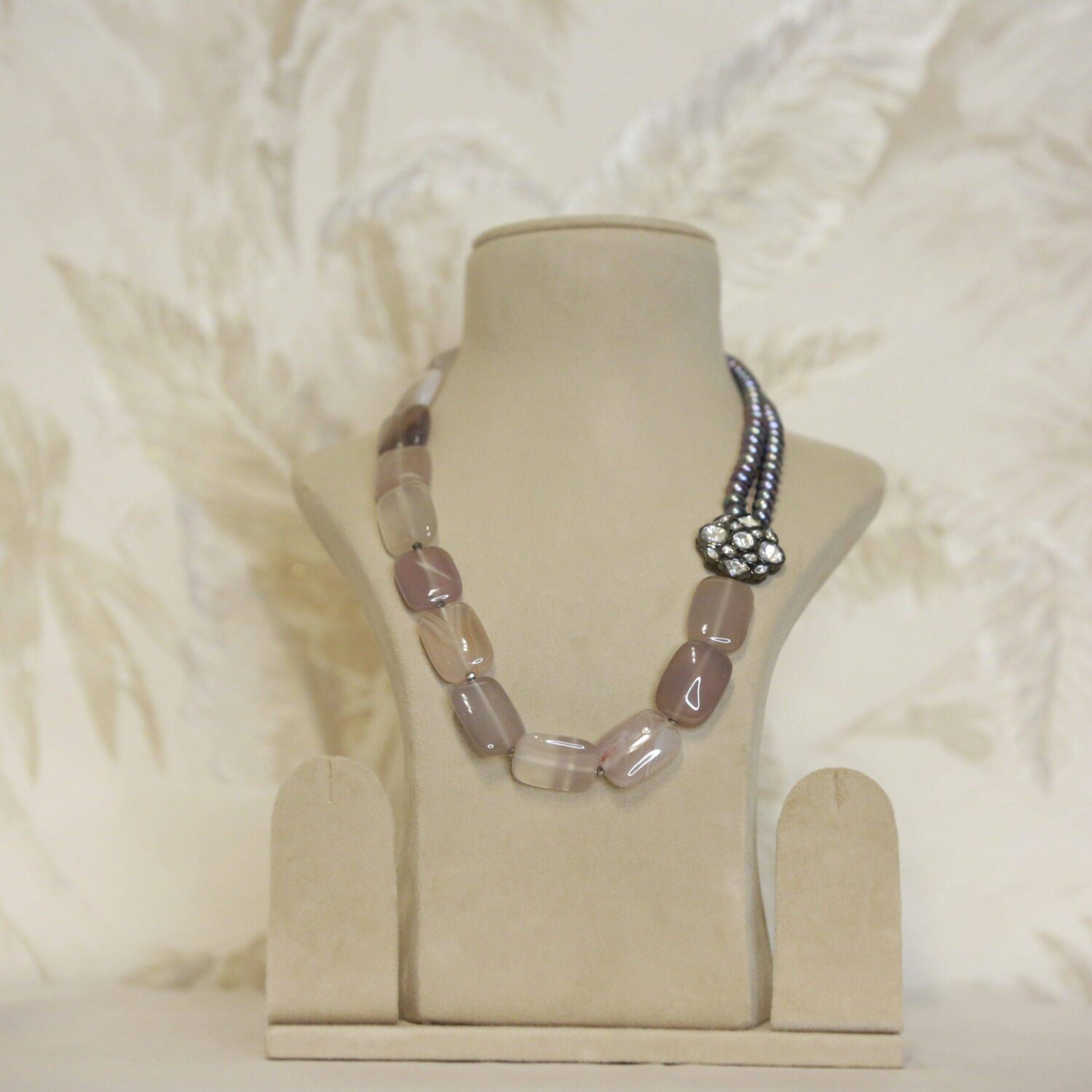
Striking Blue Pearl Necklace With Oxidized Polki Pendant & Grey Onyx
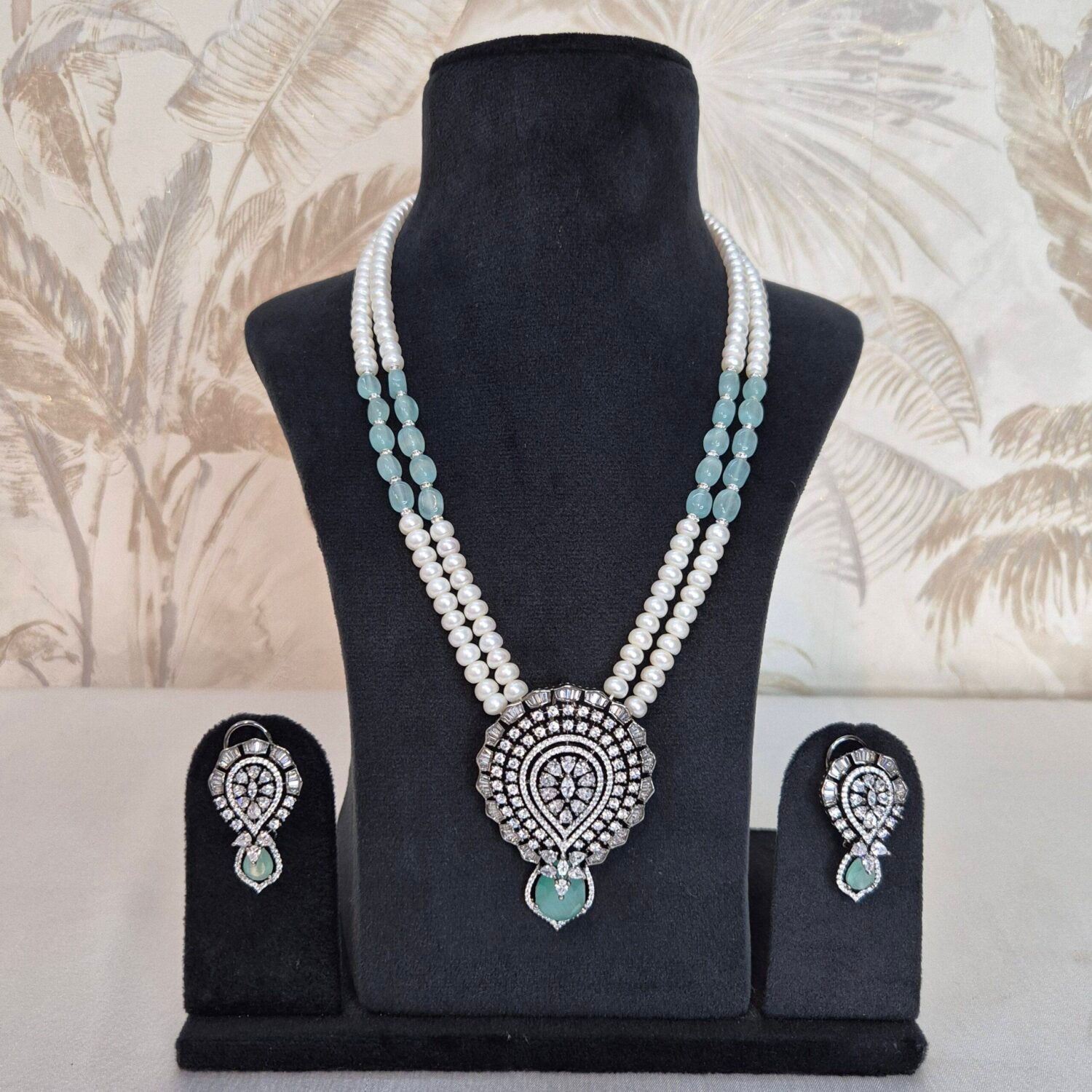
Spectacular 6mm White Semi-Round Pearls 19Inch Necklace With Victorian Pendant
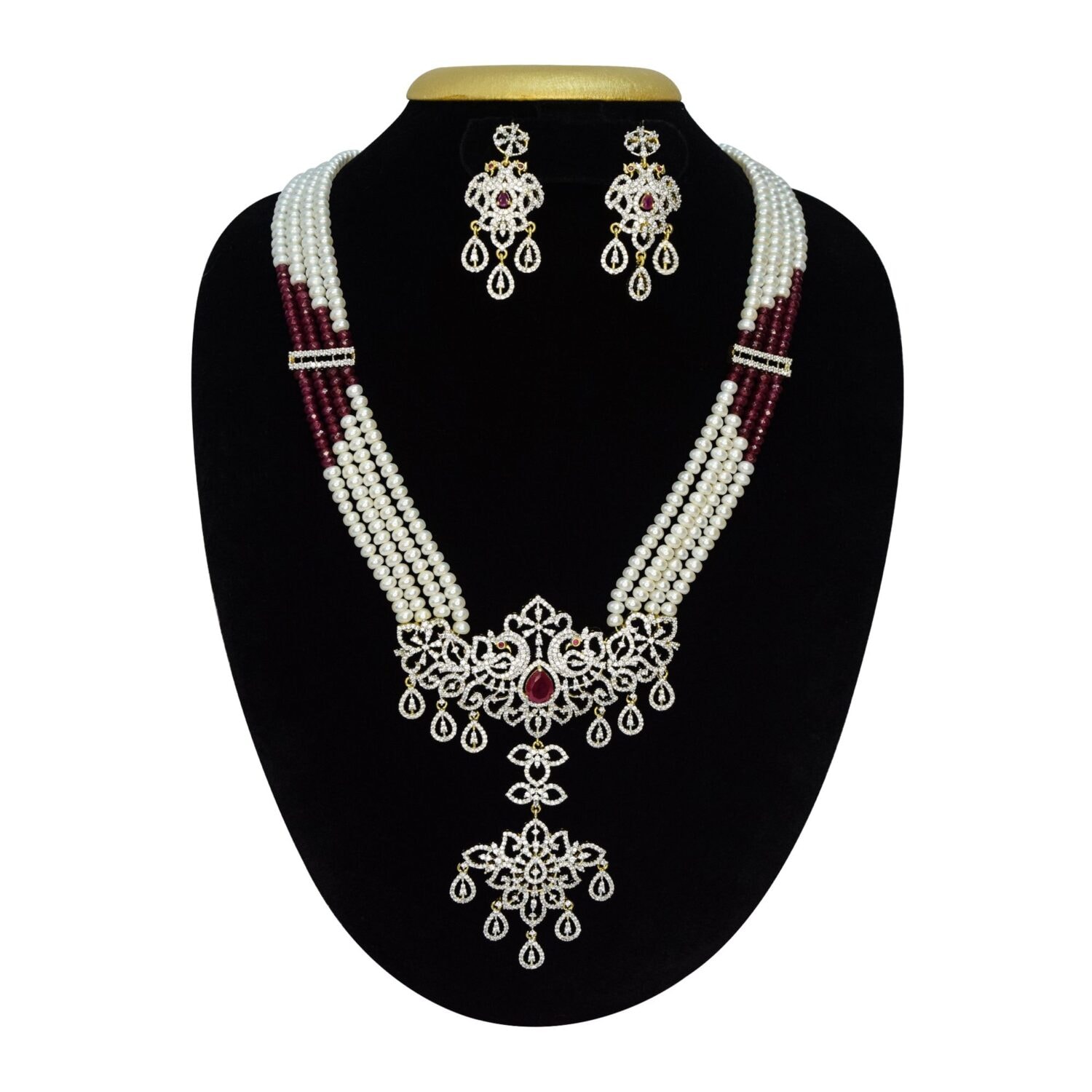
Royal White Pearls Haar With CZ Peacock Pathakam
Polki
An uncut, unfaceted natural diamond, set face-up in kundan. Glows softly rather than sparkling.
Cubic Zirconia
A hard, brilliant lab-made stone used as a diamond substitute. Called American diamond throughout the Indian trade.
Moissanite
A lab-grown stone that is harder and more fiery than cubic zirconia, and much cheaper than diamond.
Round Brilliant
The standard round cut with 57 or 58 facets, engineered to return the maximum light. The most common cut there is.
Carat
A unit of gemstone weight, equal to 0.2 grams. Nothing to do with karat, which measures gold purity.