


Korean Metal
A light, corrosion-resistant alloy widely used for fashion jewellery findings. Holds plating well and does not rust.
Korean metal is the trade name for a class of imported non-ferrous alloys used for posts, hooks, chains and frames.
Its advantages are weight and stability. It is much lighter than brass or silver, which matters in large earrings, and it does not corrode or turn skin green the way cheap brass can.
It is a base metal, not a precious one, so it carries no intrinsic material value.
When you are buying
Korean metal is the right choice for large statement pieces where silver would be uncomfortably heavy or prohibitively expensive. For an everyday piece worn against skin for years, sterling silver is worth the upgrade.
Pieces in Korean metal
A few from the collection, from ₹1,000.

Rich and Traditional Pearl Studs Just like the ones made in Gold
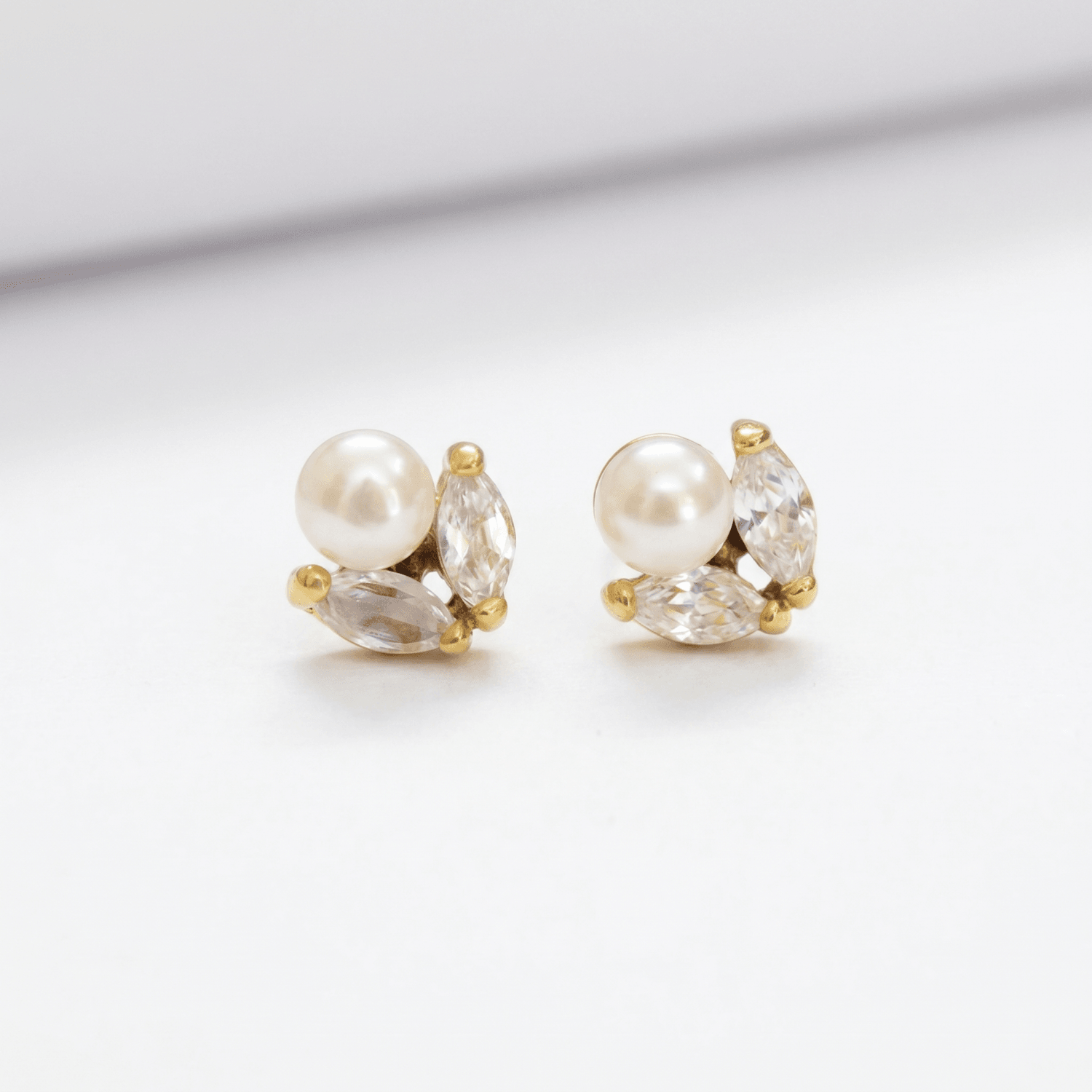
Cute Pearl Studs in leaf like Zircon Stones

Pretty Flower Earrings Featuring White Mother Of Pearl Petals & Peach Pearls
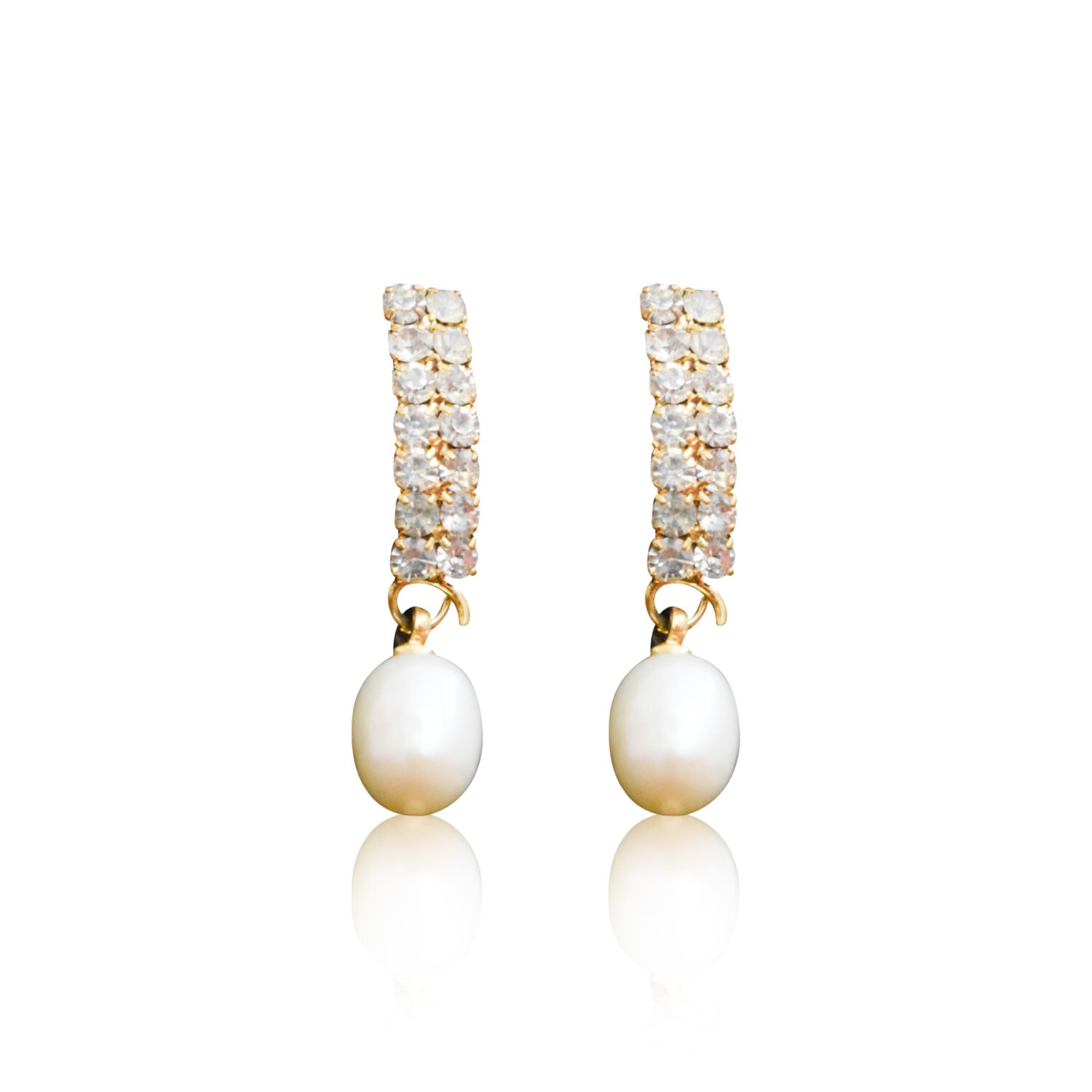
Stunning Linear AD Studs With White Oval Pearl Drops
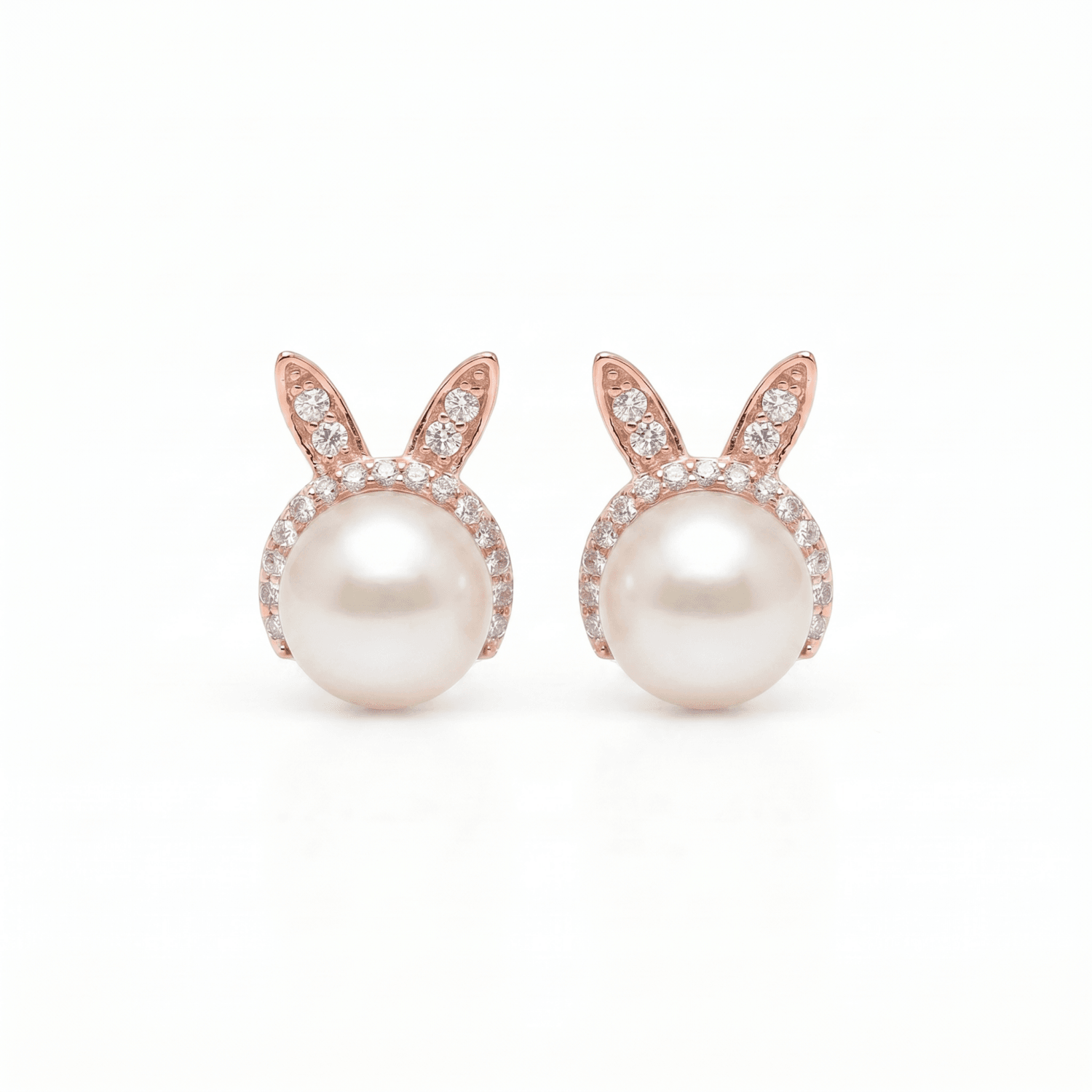
Bunny Shaped Pearl Studs in White Pearls and Rose Gold Metal
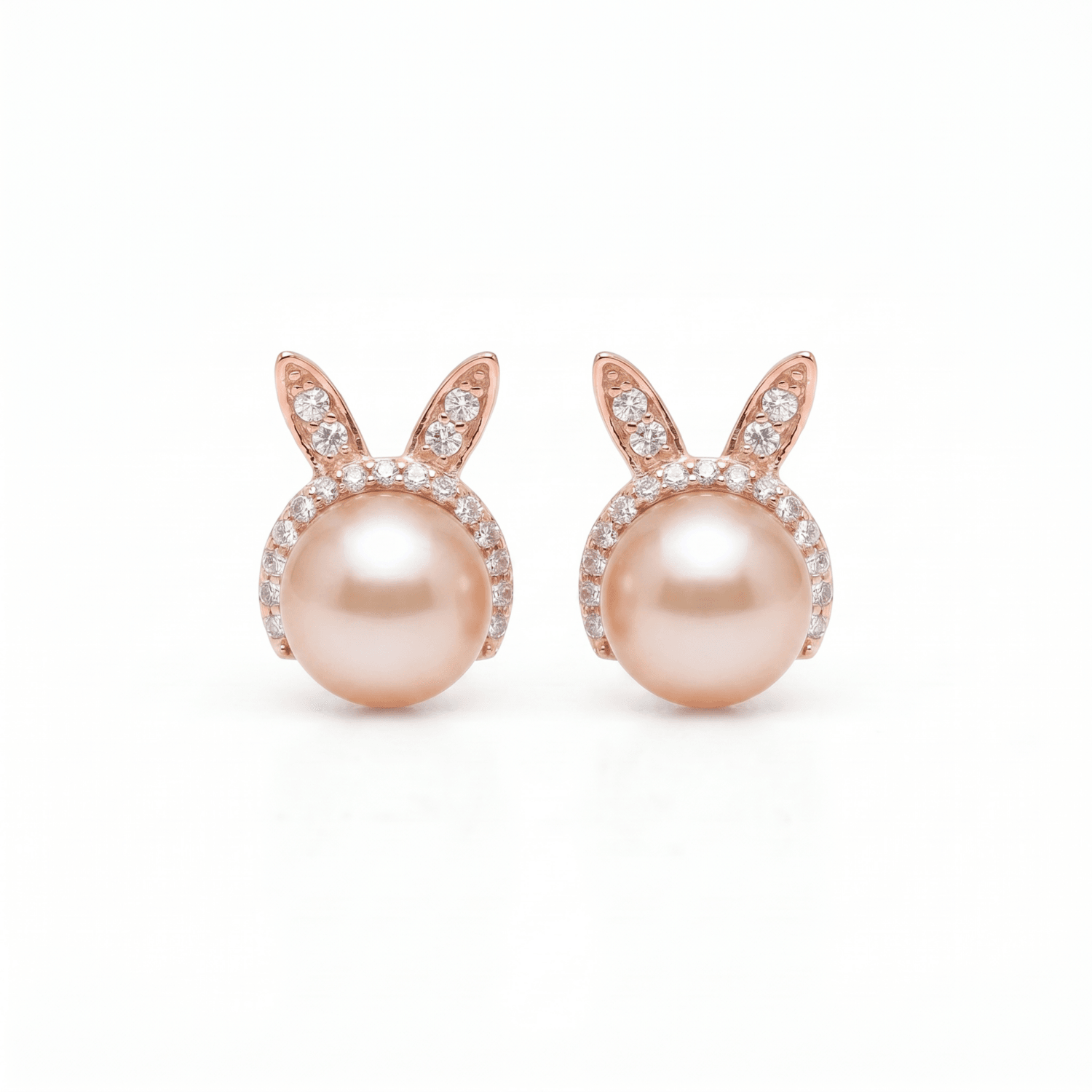
Bunny Shaped Pearl Studs in Pink Pearls and Rose Gold Metal

Bunny Shaped Pearl Studs in Lavendar Pearls and Rose Gold Metal

Cute Pearl Studs in Lavendar Pearls and Rose Gold Metal
Brass
A copper and zinc alloy with a warm gold tone. Strong and inexpensive, but it tarnishes and can react with skin.
925 Sterling Silver
An alloy of 92.5% silver with 7.5% other metals, usually copper. The international standard for silver jewellery.
Gold Plating
A thin layer of gold deposited over a base metal. Gives the colour of gold at a fraction of the cost, and wears off over time.
Hypoallergenic
Metal unlikely to cause a skin reaction. In practice it means nickel-free, since nickel causes most jewellery allergies.