


Saltwater Pearl
A pearl grown in an oyster in the sea. Rounder and rarer than freshwater, and considerably more expensive.
Saltwater pearls are cultured in marine oysters, one or two pearls per oyster per cycle. That scarcity, plus the near-perfect roundness a bead nucleus produces, is what the price reflects.
The three commercial families are Akoya from Japan and China, South Sea from Australia, Indonesia and the Philippines, and Tahitian from French Polynesia. Each has its own size range and colour signature.
Because they are grown around a bead, nacre thickness is the thing to ask about. Thin nacre looks glassy at first and dulls or blisters within a few years.
When you are buying
Buy saltwater for one of two reasons: you want the specific look of a large round South Sea or Tahitian pearl, or you need one for astrological purposes. For daily-wear jewellery, freshwater gives you more pearl for the money.
Sea pearls in stock
106 pieces in the collection right now, from ₹7,245.

4.025 Carat (4.47 Ratti) Golden South Sea Pearl - 8.1mm Round, AA Quality

4.06 Carat (4.51 Ratti) Golden South Sea Pearl - 8.1mm Round, AA Quality

3.76 Carat (4.18 Ratti) Golden South Sea Pearl - 7.9mm Round, AAA Quality

5.125 Carat (5.69 Ratti) Golden South Sea Pearl - 9.1mm Oval, A Quality
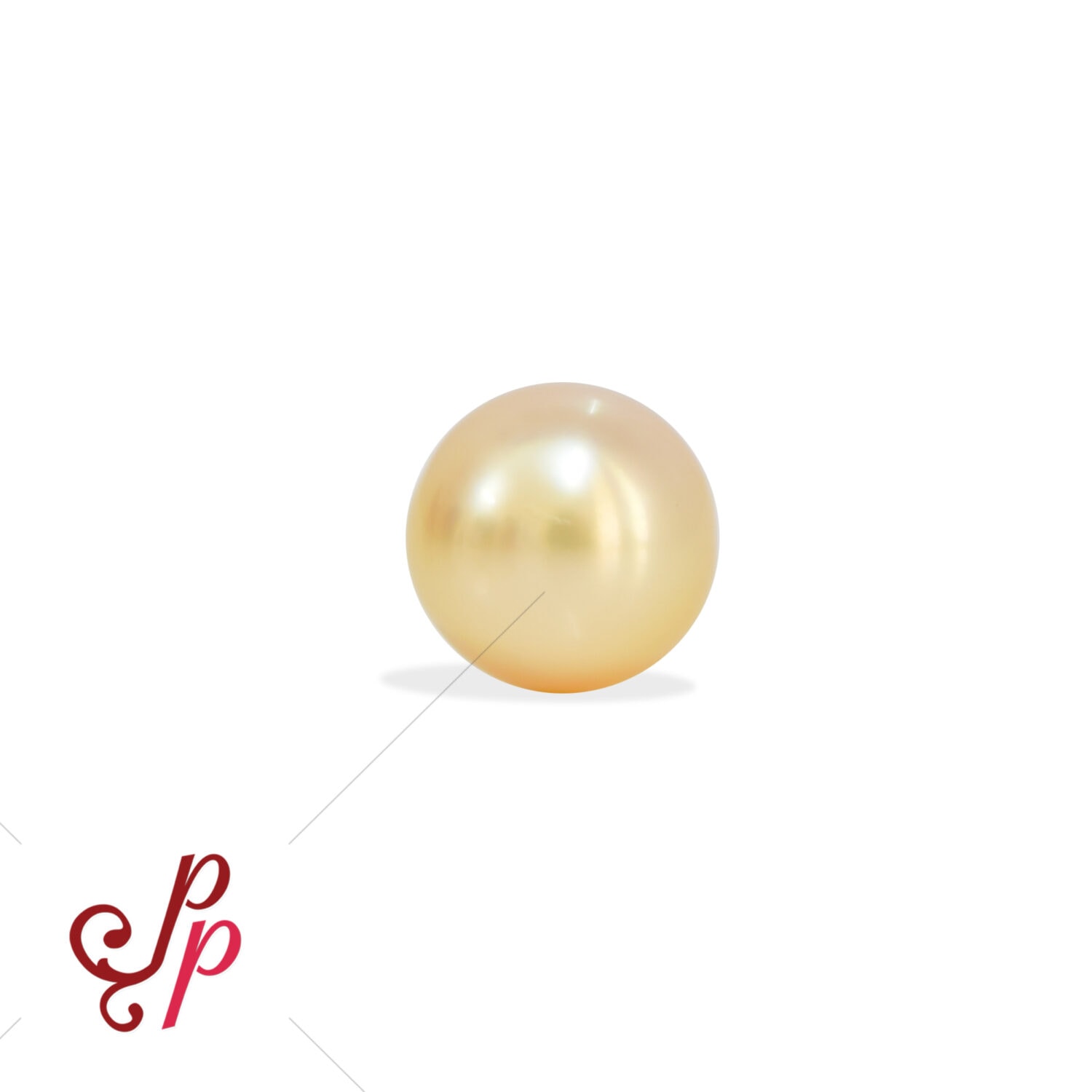
5.5 Carats - 9 Ratti genuine south sea pearl

4.37 Carat (4.86 Ratti) Golden South Sea Pearl - 8.3mm Round, AA Quality

3.96 Carat (4.4 Ratti) Golden South Sea Pearl - 8.1mm Round, AAA Quality

4.185 Carat (4.65 Ratti) Golden South Sea Pearl - 8.1mm Round, AAA Quality
Freshwater Pearl
A pearl grown inside a mussel in a river or lake, rather than an oyster in the sea. Most pearl jewellery sold today is freshwater.
South Sea Pearl
The largest commercially grown pearl, from the gold-lipped or silver-lipped oyster. Typically 9mm to 16mm, white to deep gold.
Tahitian Pearl
A naturally dark saltwater pearl from the black-lipped oyster of French Polynesia. Grey to near-black, with green, aubergine or peacock overtones.
Akoya Pearl
The classic small round white saltwater pearl from Japan and China, usually 5mm to 9mm. The pearl in a traditional single-strand necklace.
Nacre
The material a pearl is made of: microscopic aragonite platelets glued in layers by conchiolin. Thickness determines both lustre and lifespan.